

In modern business, Internet of Things (IoT) and M2M (machine-to-machine) communication technologies open new opportunities for optimizing processes, monitoring equipment, and creating innovative services. The foundation of such systems often lies in M2M SIM cards, which ensure stable device connectivity to the network. In this article, we explain what they are, how they work, and what businesses should pay attention to.
What are M2M SIM cards?
An M2M SIM card is a special type of SIM card designed for use in devices rather than phones. It enables various machines and sensors to connect to a mobile network and transmit data in real time.
Examples of devices that use M2M SIM cards:
- Trucks and cars for GPS tracking
- Industrial equipment in factories
- Drones and robots
- Agricultural machinery
- Smart meters, sensors, and payment terminals
Unlike regular SIM cards for smartphones, M2M SIMs are built for continuous operation, can function in extreme temperatures, and support long-term connections with minimal power consumption.
Why M2M SIM cards are important for business
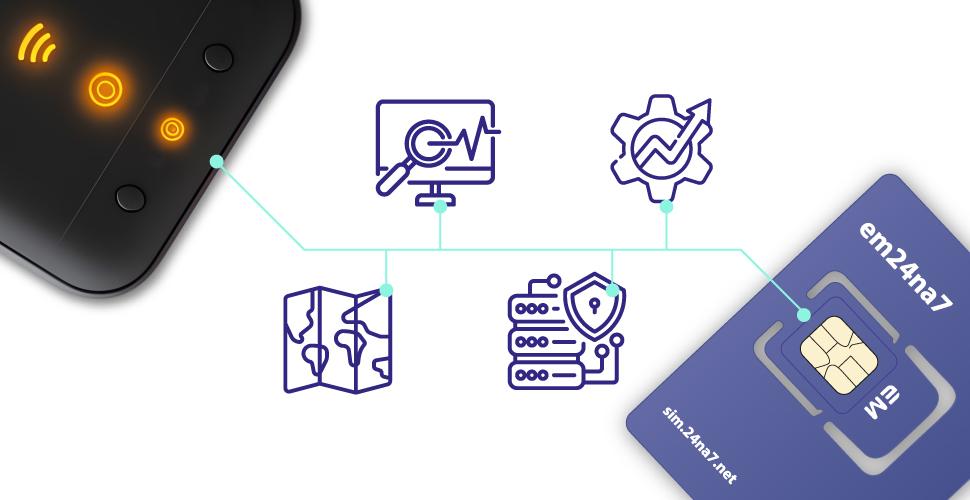
- Monitoring and equipment management. M2M SIMs enable real-time data collection from devices: vehicle location, equipment condition, and sensor readings. This helps prevent breakdowns, reduce maintenance costs, and optimize logistics.
- Increased efficiency. Connecting devices to the network simplifies automation: remote control, data collection, and production process monitoring — saving company time and resources.
- Global coverage. Many M2M SIM cards work worldwide, which is essential for companies with international logistics or a wide network of branches.
- Data security. Specialized M2M SIM cards ensure data encryption, protection from unauthorized access, and traffic control — especially important for industrial and corporate systems.
What to consider when choosing an M2M SIM
- Device compatibility: make sure the SIM fits your equipment (form factor, supported frequencies).
- Tariffs and payment options: businesses need predictable data usage and flexible tariff plans.
- Network reliability: choose providers with strong coverage and M2M/IoT support.
- Support and management: the ability to remotely manage SIM cards, monitor data usage, and quickly solve technical issues.
Examples of application
- Transport and logistics: GPS trackers on trucks and containers to monitor routes and delivery times.
- Agriculture: humidity and temperature sensors for precise irrigation and crop monitoring.
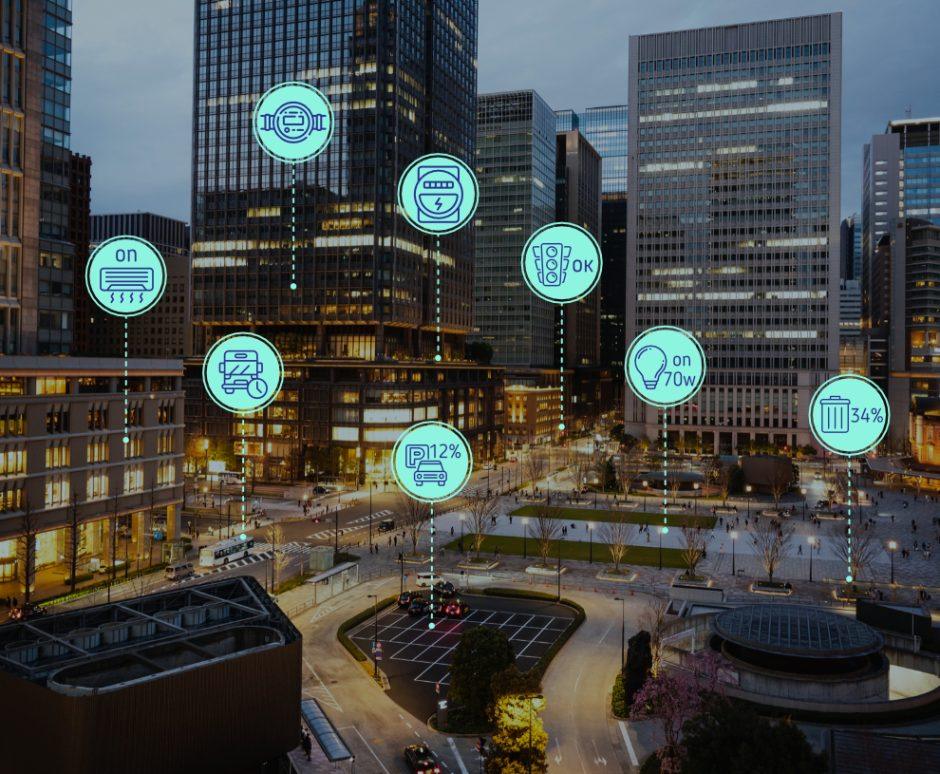
- Smart cities: street lighting, parking systems, and infrastructure monitoring.
- Industry: remote control of production lines and equipment condition monitoring.